

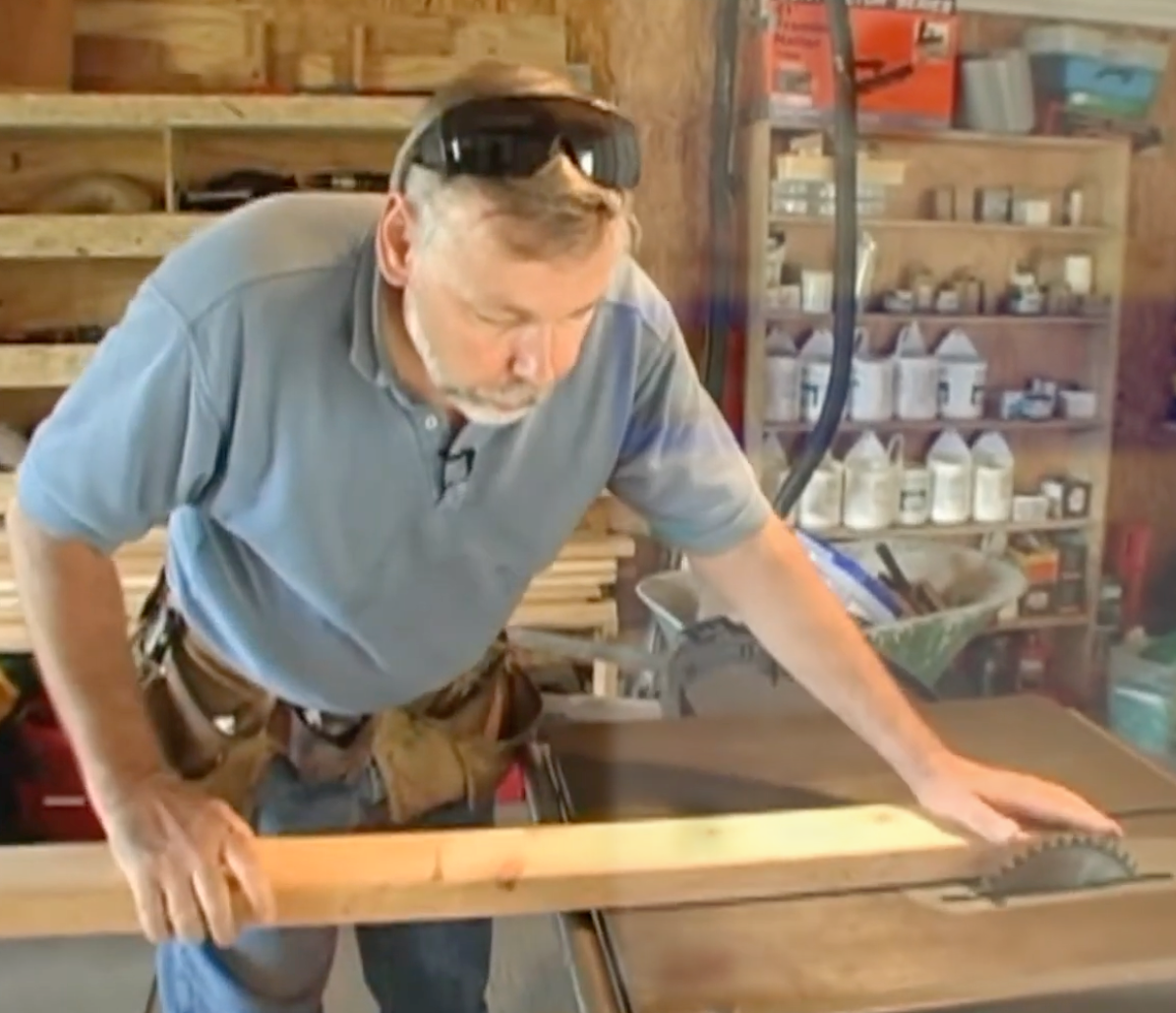
Jobs for people with disabilities span many fields. The right fit depends on your skills, interests, access needs, and the tasks a position requires, as Mike DeZinno, known as “America’s Blind Tradesman,” explains.
People with disabilities work as employees, tradespeople, remote professionals, and business owners. You don’t have to settle on one path immediately, so start by looking at what the work involves.
Key Takeaways
- People with disabilities work in office, remote, customer service, creative, skilled trade, and self-employed roles. The right fit depends on a person’s skills, interests, access needs, and the job’s duties.
- Compare a position’s tasks, setting, physical demands, communication needs, and performance expectations before deciding whether it fits.
- Accommodations such as accessible equipment, a modified schedule, or changes to a work area may help with specific tasks. The available options depend on the request and workplace circumstances.
- State rehabilitation agencies, Ticket to Work, and the Job Accommodation Network can offer different kinds of employment or accommodation support, subject to eligibility and availability.
Jobs for people with disabilities: roles to explore
People with disabilities can perform the same job in different ways. Accessible tools, a different work setup, or support may make a role workable, but every position has requirements to consider.
Explore office, remote, customer service, and creative work
Jobs for people with disabilities can include bookkeeping, writing, customer support, scheduling, and work as a graphic designer when they match your abilities and interests. Each involves different demands.
Customer support might involve phone conversations, written messages, or both. Scheduling may require frequent interruptions, while writing often allows longer periods of focused work.
Remote work can reduce transportation barriers or offer more control over your surroundings. It can also involve inaccessible software, frequent video meetings, or limited support. Working from home isn’t automatically easier or preferable, and remote work may not suit everyone.
Consider skilled trades, hands-on work, and self-employmen

Repair, carpentry, and other skilled services are also options to consider. Shop-based work can differ from roles that require travel, ladders, heavy lifting, or changing worksites. Compare jobs by their actual duties, training requirements, and safety conditions.
According to the Bureau of Labor Statistics, 9.2% of this group were self-employed in 2024. Running your own venture offers control over business decisions, though it also requires finding customers, managing expenses, and handling administration.
How to find work that fits your skills and access needs
Jobs for people with disabilities should be assessed by their fit with your skills, preferences, and access needs, not assumptions about diagnosis. Start with work you want to do, then examine the conditions you need to perform it.
Match the job tasks to what works for you
Write down your strengths, preferred settings, tasks you enjoy, and barriers that need solutions. People with disabilities may also draw on experience from education, volunteering, caregiving, hobbies, or previous employment.
Next, compare that information with a position’s duties and setting. Ask employers about interruptions, communication methods, physical demands, and performance expectations. Assess remote work for its tasks and access conditions too.
Access needs can vary by task and change over time. Part-time work is also a valid choice, whether you prefer it or need a manageable starting schedule.
Think through accommodations before ruling out a job
A reasonable accommodation may change how or where you perform a task. Depending on the situation, options might include a modified schedule, accessible equipment, or changes to the work area.
The Job Accommodation Network’s disability and accommodation resources offer ideas for exploring workplace barriers and possible solutions. Focus on the task that creates difficulty rather than assuming your diagnosis rules out the occupation.
An accommodation can change how you perform a duty without removing the duty itself.
Approval depends on the request and workplace circumstances. Some roles cannot accommodate every proposed change, so consider several workable options.
Get practical help with a disability job search
Jobs for people with disabilities may be easier to pursue with employment support that connects career interests with training, workplace adjustments, and job opportunities. Eligibility and available services vary.
Ask Vocational Rehabilitation about job support
Vocational Rehabilitation agencies may provide individualized help to people with disabilities with career planning, training, job searches, and supported employment. Services depend on eligibility, your goals, and agency resources.
Use the U.S. Department of Education’s Rehabilitation Services Administration state agency directory to locate your agency. Some states have separate agencies serving people who are blind or have visual impairments.
Agencies may have waitlists or limits on whom they can serve. When contacting one, ask about applying, available services, and any waiting period.
Use Ticket to Work and accommodation guidance when helpful
Social Security’s Ticket to Work provides free support to eligible beneficiaries ages 18 to 64. Approved Employment Networks can help with career counseling, job searches, and understanding how employment may affect benefits.
The program doesn’t guarantee a job. Earnings also may affect benefits. Ask for benefits counseling before making decisions based on expected income. The Ticket to Work Help Line is 1-866-968-7842; TTY users can call 1-866-833-2967.
For workplace access questions, the Job Accommodation Network provides free, confidential accommodation guidance. It can help you explore possible adjustments before or during employment.
Take a low-pressure first step toward work
You don’t need a complete career plan to begin exploring employment. For people with disabilities, keeping the first step small can make it useful rather than overwhelming.
- Choose one job or field that interests you.
- Identify its main tasks using a job description or conversation with someone doing the work. Consider whether remote work suits the role and your access needs.
- Write down questions for employers about access, scheduling, equipment, and training.
- Contact an employment support service if help would make the next step easier.
Exploring a path doesn’t commit you to it. You can learn that a setting doesn’t suit you, adjust your search, and keep the skills or information you gained.
Frequently Asked Questions
What kinds of jobs can people with disabilities do?
People with disabilities work in office, remote, customer service, creative, skilled trade, and self-employed roles. The best options depend on the person’s interests and skills, as well as the duties and access conditions of each job.
How can I tell whether a job fits my access needs?
Compare the job’s tasks and setting with your strengths, preferences, and access needs. Ask about physical demands, interruptions, communication methods, and performance expectations.
Can workplace accommodations make a job workable?
An accommodation may change how or where you perform a task, with options such as accessible equipment, a modified schedule, or changes to the work area. Whether a proposed change is approved depends on the request and workplace circumstances.
Where can I get help with a disability job search?
Vocational Rehabilitation agencies may help with career planning, training, job searches, and supported employment, depending on eligibility and resources. Eligible Social Security beneficiaries ages 18 to 64 can also get free support through Ticket to Work, and the Job Accommodation Network offers free, confidential accommodation guidance.
Your Diagnosis Doesn’t Define Your Career
People with disabilities work in many fields, and a diagnosis alone doesn’t determine someone’s career. A sound career decision considers the person, the duties, and available support.
Give yourself room to explore jobs and accommodations at your own pace. A workable fit can include full-time employment, part-time work, a trade, or self-employment, based on your goals and circumstances.
Recent Comments